Why Bowling Software Matters More Than the Lane
A bowling lane without good software is just a floor with pins at the end. Here is why the software is the most important part of any bowling installation.
The Lane Is the Stage. The Software Is the Show.
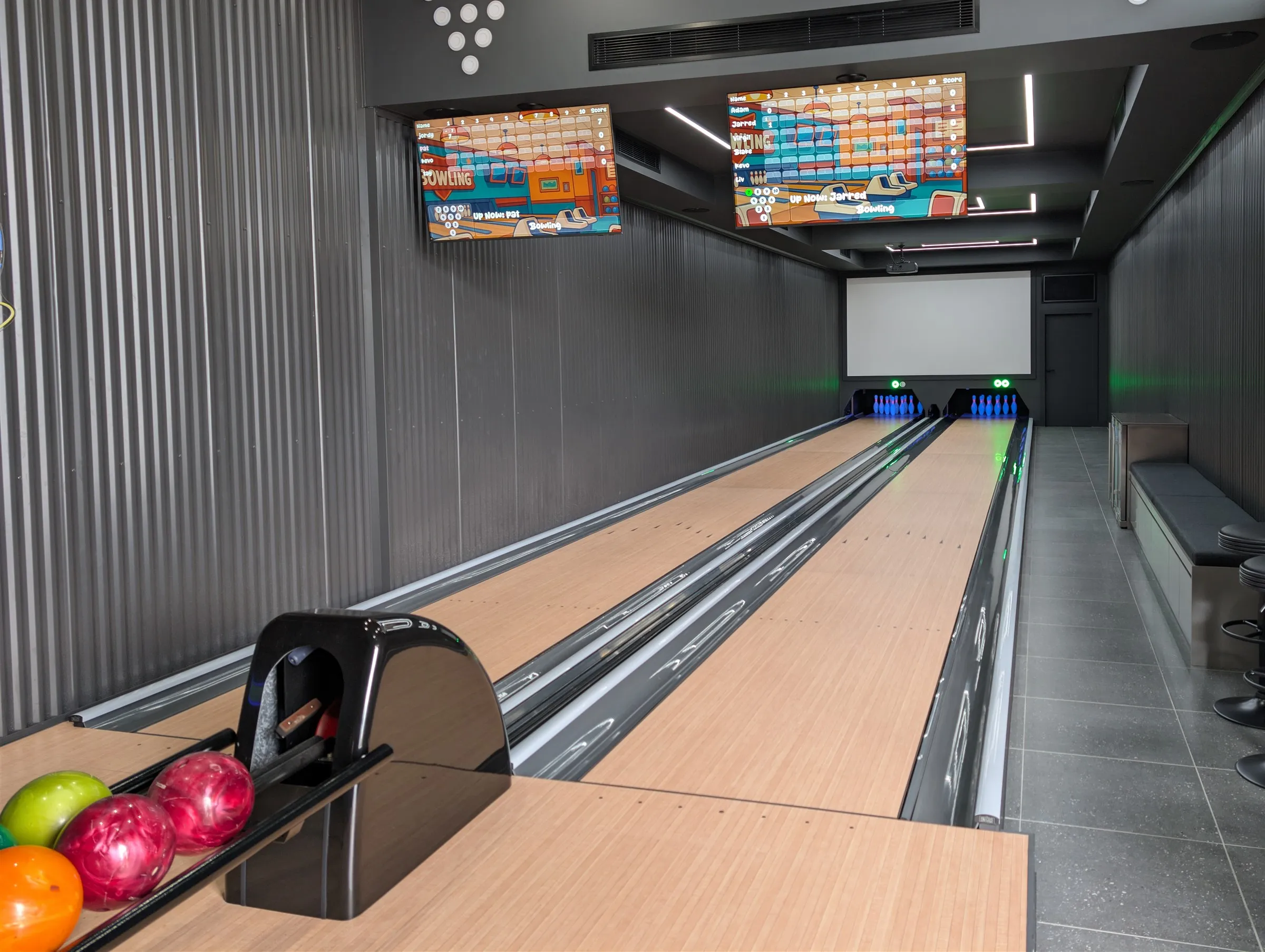
A bowling lane is a physical thing. Once it is installed, it does not change. The surface is the same on day one as it is on day one thousand. The pins are the same. The ball return works the same way. Without software, every game on that lane is the same game.
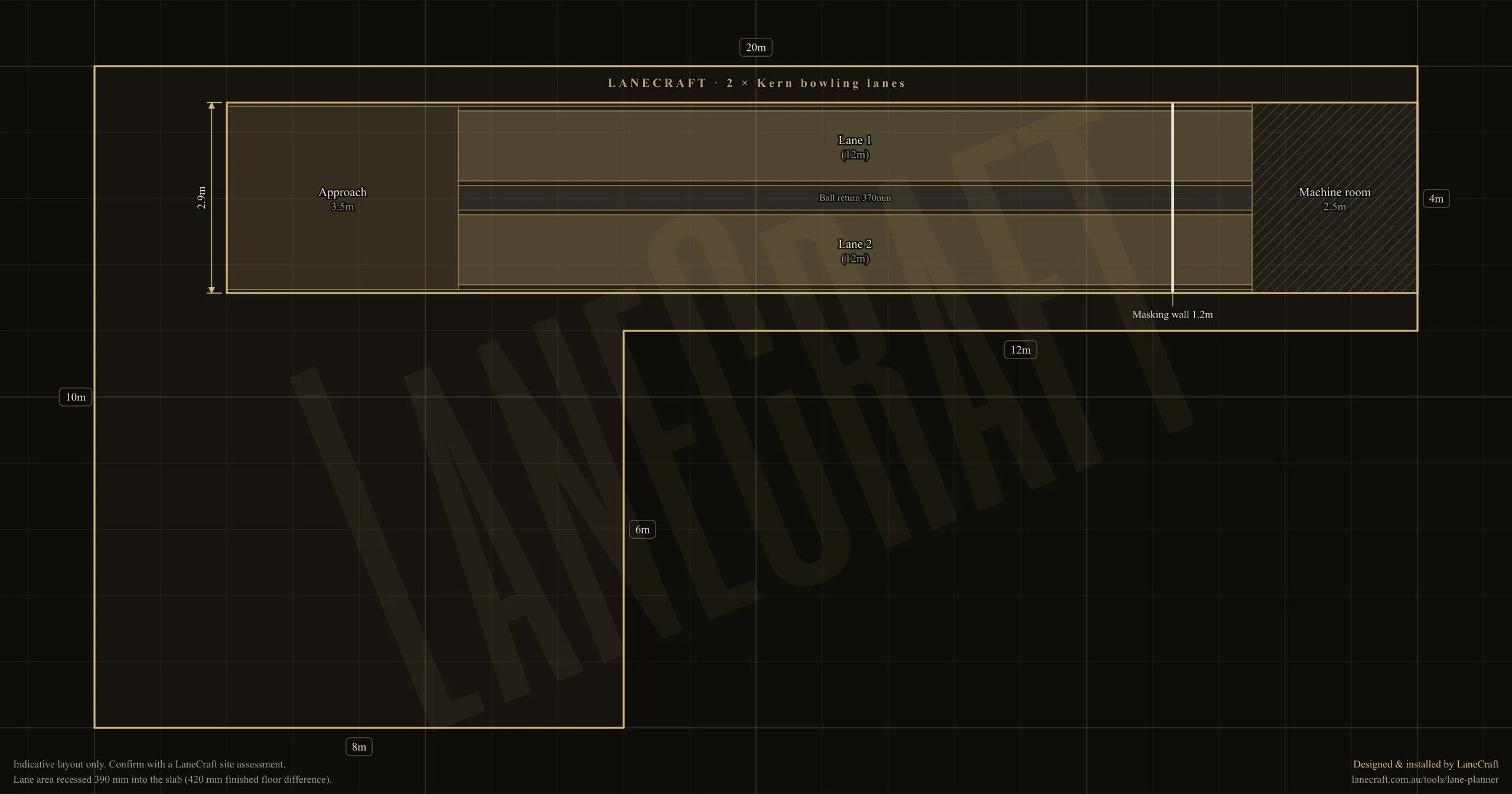
That is a problem, because a bowling lane is not cheap. A residential installation starts at $92,000. A four-lane venue setup is closer to $280,000. At that price, you are not buying a novelty. You are making a long-term investment in entertainment. And the single biggest factor in whether that investment pays off, whether the lane gets used every week or gathers dust after the first few months, is the software running on it.
The Unused Lane Problem
Here is the reality that nobody talks about when selling bowling lanes: bowling gets repetitive. The first week, everyone is excited. The first month, friends come over to try it. By month three, the novelty has worn off. You have played the same game dozens of times. You know everyone’s scores. The kids have lost interest.
This is not a bowling problem. It is a software problem. The lane itself is fine. The pins still fall, the ball still rolls, the pinsetter still resets. What has gone stale is the experience on the screen. The same scoring format, the same interface, the same game, every single time.
A swimming pool stays interesting because it has intrinsic appeal: it feels good on a hot day, it is exercise, it is a place to gather. Nobody expects a pool to surprise them. But a bowling lane does not have that same built-in draw. What it does have is a screen, a scoring system, and a computer controlling the pins. The technology is there to keep things interesting. The question is whether the software uses it.
Your Fridge Is Smarter Than Most Bowling Lanes
Think about the technology in a modern home. Your fridge tracks its own inventory. Your oven adjusts cooking times automatically. Your TV recommends what to watch next. Your car updates its own software overnight.
Now think about what most bowling scoring systems do. They display a frame grid. They add up numbers. They show an animation when you get a strike. That is it. The same interface, the same features, the same experience, from the day it was installed until the day it is replaced. In a home where everything else is connected, adaptive, and evolving, the bowling lane is often the least intelligent piece of technology in the building.
That gap matters. A bowling lane that feels outdated next to your other entertainment systems will not get used. It needs to feel like it belongs in the same house as your smart lighting, your streaming setup, and your automation system.
What Good Software Actually Does
Bowling software is not just scoring. A proper platform handles:
- Game design: each game mode has its own rules, win conditions, and scoring engine. Not variations on the same theme, but fundamentally different games played on the same lane.
- Pin control: the ability to set any pin arrangement on the deck, enabling games that would be impossible with a standard setup. Wings removes the centre pins and makes you target one side. Stina sets only three pins in a line. Canadian Duck approximates a duckpin layout.
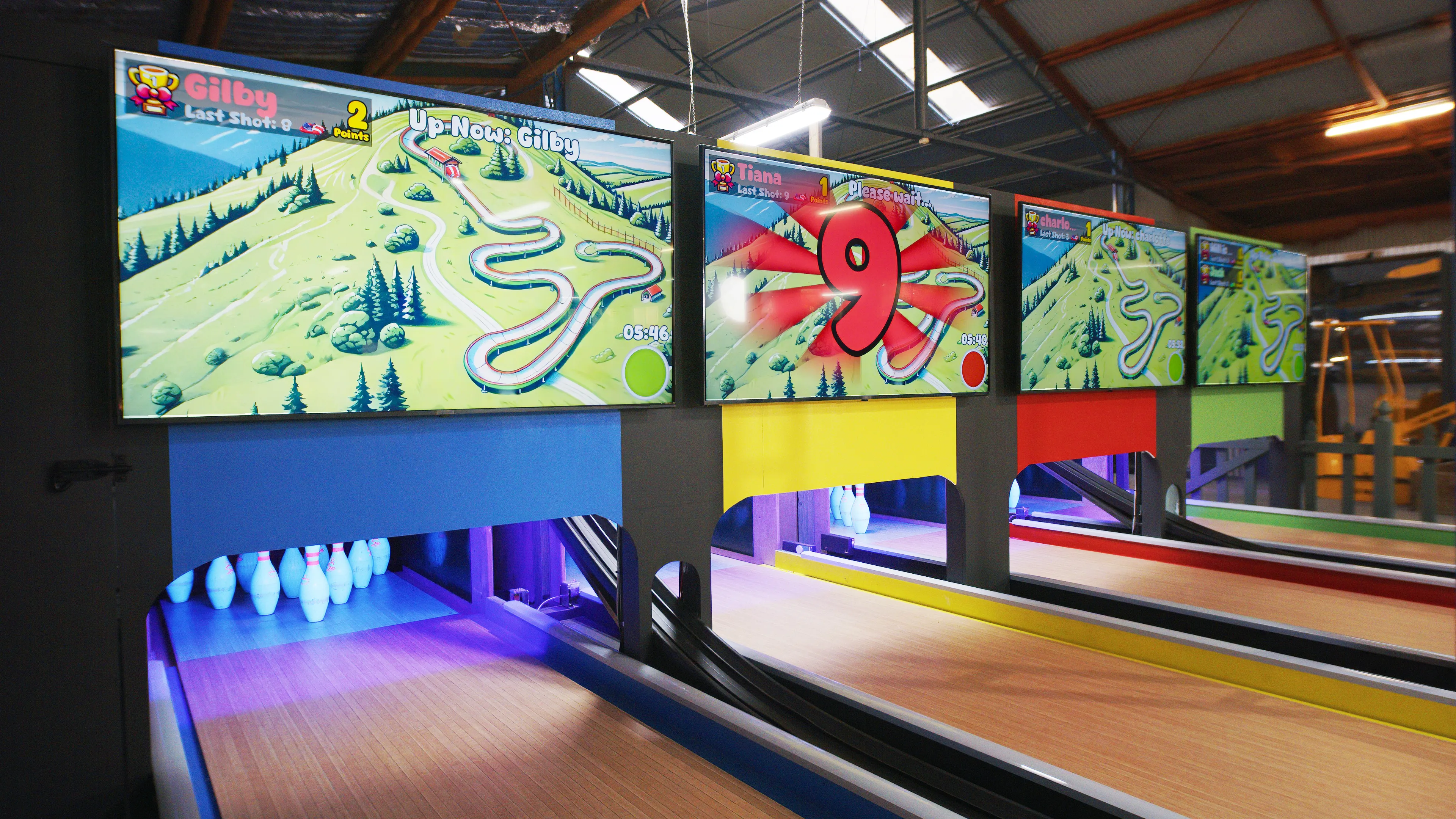
- Visual presentation: animations, scoring displays, and themed interfaces that make each game feel different. The screen should be part of the entertainment, not an afterthought.
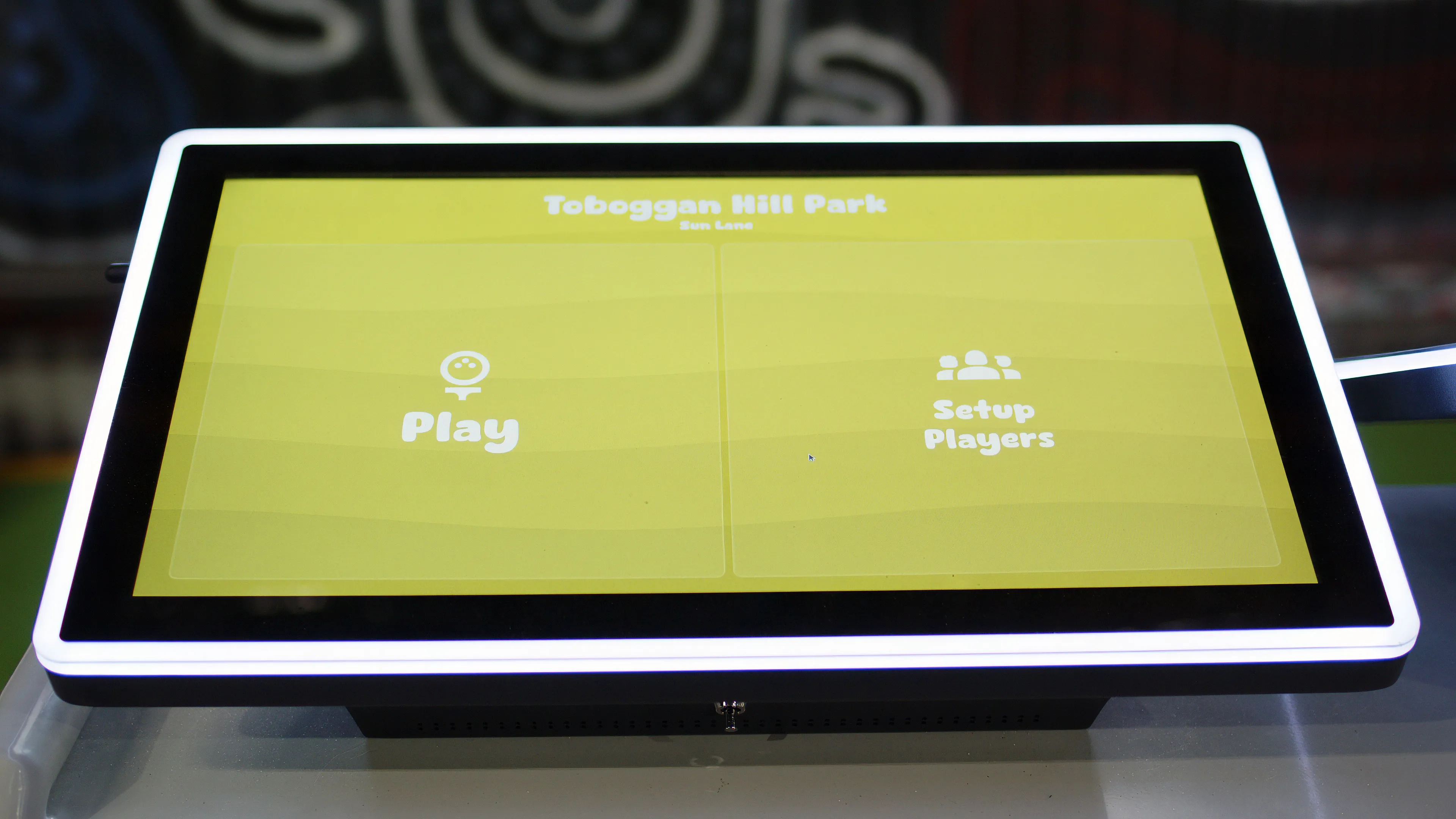
- Player management: touchscreen game selection, player setup, and session control that anyone can operate without a manual.
- Updates: new games, new features, and improvements delivered after installation. The lane gets better over time instead of staying frozen at the version it shipped with.
The more the software can do, the more reasons people have to use the lane. A lane with 15+ game modes and 65+ more in development is a lane that stays interesting for years.
For Homes: An Appreciating Asset
Most home entertainment features are static. A pool table plays the same game forever. A swimming pool has its own appeal (cooling off on a hot day, exercise, a place to gather) but the pool itself does not change. It does not offer anything new in year three that it did not offer in year one.
A bowling lane with good software does. New game modes arrive through updates. The experience changes. Guests who visited last year come back and find games that did not exist on their first visit. Kids who outgrew the easy modes discover harder ones waiting for them.
That is what turns a bowling lane from a novelty into a centrepiece. Not the timber, not the pins. The software. It is the difference between a lane that gets used every weekend and one that sits idle because everyone has already played the same game fifty times.
At $92,000 or more, you cannot afford for the lane to go quiet after the first year. The software is what prevents that.
For Venues: A Reason to Come Back
Entertainment venues live and die on repeat visits. A bowling lane with static scoring is a “done it” for most guests after a visit or two.
Software changes that equation. When the games keep changing, guests have a reason to return. A family that played Speedway last month comes back to try Pyramid. A birthday group that loved Cat & Mouse wants to see what else is available. The attraction stays fresh without any new capital investment in hardware.
For a venue operator, that is the difference between a one-visit attraction and a repeatable one. And with 15-minute timed game formats, the throughput numbers work too. The Toboggan Hill Park installation handles up to 72 guests per hour across four lanes.
Why It Should Come from the Same Team
The software and the hardware need to work together. When the scoring system is built by one company, the pinsetters manufactured by another, and the installation done by a third, the integration is always a compromise. Updates are slow. Custom features are difficult. Support means calling three different numbers.
When the software is built by the same team that designs and installs the lane, everything is tighter. The software knows exactly what the hardware can do. Custom game modes can be built for a specific venue. Updates ship directly. Support is one conversation.
What LaneCraft Builds
LaneCraft’s software currently includes over 15 game modes with 65+ more in development. Every game has its own scoring engine, visual presentation, and win conditions. The software controls pinsetters at the individual pin level, runs on custom touchscreen consoles, and is updated regularly.
For homes, it means a lane that keeps the family coming back for years. For venues, it means an attraction that stays fresh season after season. For both, it means the investment appreciates rather than sitting still.
The lane is the stage. The software is the show. Make sure the show is worth watching.
See all game modes | Learn about our installations | Get in touch